Medical Symbol: A Strategic Tool for Creative and Business Success
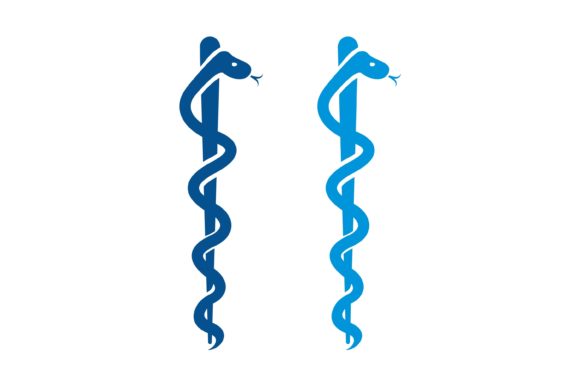
The Medical Symbol, often represented by the caduceus or the rod of Asclepius, is more than just a visual icon. It carries deep historical and symbolic meaning, representing healing, balance, and the pursuit of knowledge. In today’s fast-paced digital world, this symbol can serve as a powerful tool for entrepreneurs, designers, marketers, and creators who are looking to build meaningful connections with their audiences.
Why the Medical Symbol Matters in Modern Contexts
While the Medical Symbol has its roots in ancient Greek mythology, its relevance extends far beyond traditional healthcare settings. Today, it's used in branding, design, and communication across various industries. Its association with health, wellness, and progress makes it particularly appealing for businesses that want to convey trust, expertise, and reliability.
For example, a small business owner launching a line of organic skincare products might find the Medical Symbol an effective way to communicate the purity and effectiveness of their offerings. Similarly, a designer creating educational materials for medical professionals could use the symbol to reinforce the credibility and accuracy of their work.
Strategic Use of Medical Symbol in Branding and Design
When incorporated into branding or design projects, the Medical Symbol can help establish a strong visual identity. It’s especially useful for businesses that want to position themselves as experts in their field or as providers of high-quality, trustworthy services.
Consider a freelance graphic designer who specializes in creating logos for health-related startups. Using the Medical Symbol as part of their design palette can immediately signal to clients that they understand the industry and have the expertise to deliver relevant visuals.
However, it’s important to approach the use of this symbol with intention. Just because it’s associated with medicine doesn’t mean it should be used indiscriminately. The key is to align its use with your brand’s values and messaging. If your business isn’t related to health or wellness, the Medical Symbol may not be the best choice.
Practical Applications Across Industries
- Healthcare and Wellness: Clinics, spas, and fitness centers can use the Medical Symbol to reinforce their commitment to health and well-being.
- Education: Educational institutions offering courses in biology, anatomy, or public health can incorporate the symbol into their branding to reflect academic rigor.
- Marketing and Advertising: Brands that emphasize natural ingredients, holistic approaches, or scientific research can benefit from using the Medical Symbol to enhance their message of authenticity and quality.
- Handmade and Custom Products: Creators selling items like mugs, shirts, and party decor can integrate the symbol into their designs to appeal to customers who value both aesthetics and meaning.
By thoughtfully integrating the Medical Symbol into your creative or business strategy, you can create a stronger connection with your audience while also reinforcing your brand’s identity.
How to Approach the Medical Symbol Effectively
Before incorporating the Medical Symbol into your projects, it’s essential to consider several factors:
- Context: Ensure that the symbol fits within the context of your project. Does it align with your goals and messaging?
- Audience: Who are you trying to reach? Will the symbol resonate with them or might it confuse or mislead?
- Consistency: If you decide to use the symbol, ensure it’s applied consistently across all platforms and materials to maintain brand integrity.
- Legal Considerations: Be aware of any copyright or trademark issues related to the use of the Medical Symbol, especially if you’re using it in commercial contexts.
These considerations will help you avoid potential pitfalls and ensure that your use of the Medical Symbol is both strategic and effective.
Long-Term Value and Decision-Making
The Medical Symbol offers long-term value when used purposefully. It can become a consistent element in your brand’s visual language, helping to build recognition and trust over time.
For instance, a small business owner running a blog about healthy living might use the Medical Symbol in their logo and throughout their content. This consistency can help readers associate the symbol with the blog’s mission, making it easier for them to remember and engage with the brand.
However, it’s important to remember that no single symbol can do everything. The Medical Symbol should be one piece of a larger strategy that includes clear messaging, strong design, and consistent branding.
Risks of Misuse
Using the Medical Symbol without clear goals or context can lead to confusion or even negative perceptions. For example, a business that sells unrelated products but uses the Medical Symbol might come across as insincere or misleading.
Additionally, relying too heavily on a single symbol can limit your ability to connect with a broader audience. It’s important to balance the use of the Medical Symbol with other elements of your brand identity to ensure a well-rounded and authentic presence.
Intentional Use for Better Results
To get the most out of the Medical Symbol, it’s crucial to use it intentionally. This means understanding its significance, aligning it with your goals, and applying it consistently across all touchpoints.
Whether you're designing a logo, creating marketing materials, or developing a brand identity, the Medical Symbol can be a valuable asset when used correctly. By approaching it with care and strategy, you can enhance your creative and business outcomes while building stronger connections with your audience.
In conclusion, the Medical Symbol is more than just an icon—it’s a powerful tool that can support your goals, planning, and long-term success. When used thoughtfully, it can help you communicate your message more effectively and create a lasting impression in your industry.