Emergency Star - Medical Symbol Caduceus: A Guide to Choosing and Using the Right File Format
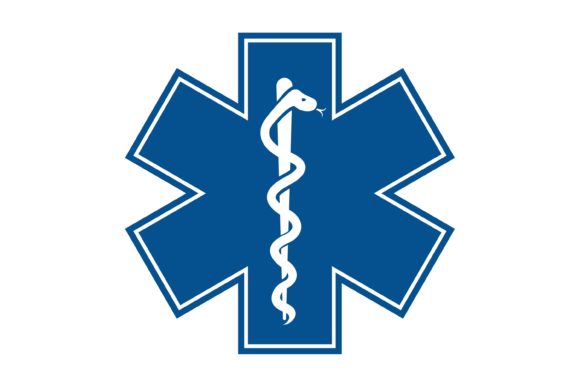
The Emergency Star - Medical Symbol Caduceus is a powerful visual symbol often used in healthcare, first aid, and emergency response contexts. Its design, featuring a staff entwined with two serpents and a crescent moon, has historical roots in medicine and continues to be a widely recognized emblem of healing and assistance. Whether you're creating merchandise for your handmade business, designing promotional materials, or crafting digital assets, having the right file format can make all the difference in quality, flexibility, and usability.
Why You Need the Right File Format
When working with the Emergency Star - Medical Symbol Caduceus, it's essential to consider the file format you're using. While many graphic tools offer basic image formats like PNG or JPEG, these may not provide the scalability or editability needed for professional projects. That’s where EPS files come into play.
EPS (Encapsulated PostScript) files are vector-based, which means they maintain their clarity and sharpness at any size. This makes them ideal for printing, branding, and digital use across various platforms. For instance, if you're designing a shirt with the symbol, an EPS file ensures that the image remains crisp even when printed on fabric. Similarly, if you're creating wood signs or mugs, the scalability of EPS files prevents pixelation and distortion.
Common Mistakes When Working with Emergency Star - Medical Symbol Caduceus Files
Many users overlook the importance of file format compatibility when working with the Emergency Star - Medical Symbol Caduceus. Here are some common mistakes to avoid:
- Using low-resolution images: Relying on PNG or JPEG files for large-scale prints can lead to blurry or pixelated results. Always opt for high-quality vector files like EPS.
- Ignoring software compatibility: Not all programs support EPS files. Before purchasing or downloading, ensure your design software—such as Adobe Illustrator, Inkscape, or Corel Draw—can open and edit the file seamlessly.
- Overlooking licensing terms: Some EPS files may have restrictions on commercial use. Always review the licensing agreement to avoid legal issues.
- Not checking file integrity: Downloaded files can sometimes be corrupted or incomplete. Verify the file size and ensure it matches the expected size before proceeding with edits.
- Failing to test the file in different applications: Even if a file works in one program, it might not function correctly in another. Test the EPS file across multiple platforms to ensure consistency.
How These Mistakes Affect Your Projects
Mistakes in file selection and handling can significantly impact the outcome of your projects. For example, using a low-resolution image for a large print can result in poor quality and customer dissatisfaction. Similarly, incompatible software can cause delays and frustration during the design process.
On the flip side, choosing the right EPS file can enhance your workflow. It allows for easy editing, resizing, and integration into various media types. Whether you're creating a logo for a health-related startup or designing custom party decor, the right file format ensures professionalism and efficiency.
Practical Advice for Choosing and Using the Right File
To avoid common pitfalls, follow these best practices when working with the Emergency Star - Medical Symbol Caduceus:
- Verify the file type: Ensure that the file you’re receiving is indeed an EPS format. Look for clear indications such as the file extension (.eps) and confirmation from the seller or provider.
- Check the software requirements: Confirm that your design tools support EPS files. If not, consider converting the file to a compatible format or upgrading your software.
- Review the license agreement: Understand the terms of use for the file. Some EPS files may require attribution, while others may be restricted to personal use only.
- Test the file in different contexts: Before finalizing your project, test the EPS file in various applications and sizes to ensure it performs consistently.
- Keep backups: Always store a copy of the original EPS file in a secure location. This protects against data loss and ensures you can revisit the file later without re-downloading or re-purchasing.
Realistic Examples and Better Approaches
Imagine you're a small business owner looking to create a line of t-shirts featuring the Emergency Star - Medical Symbol Caduceus. If you download a low-quality PNG file and scale it up for printing, the result could be a blurry, unprofessional image. Instead, by choosing an EPS file, you can easily adjust the design, maintain clarity, and ensure the final product meets your standards.
Another example: A blogger wants to use the symbol in a downloadable template for their audience. By providing an EPS file, they allow users to customize the design according to their needs, enhancing the value of the resource and improving user satisfaction.
What to Check Before Making a Decision
Before purchasing or using the Emergency Star - Medical Symbol Caduceus, take the following steps to ensure you're making an informed choice:
- Confirm the file format: Make sure the file is in EPS format and not a raster image.
- Check the resolution and quality: High-quality EPS files will have clean lines and no artifacts.
- Verify the license terms: Understand whether the file can be used for commercial purposes or if there are any restrictions.
- Ensure compatibility with your software: Test the file in your preferred design tool to confirm it works as expected.
- Read reviews and feedback: Look for comments from other users to gauge the reliability and quality of the file.
By taking these steps, you can confidently choose and use the Emergency Star - Medical Symbol Caduceus in your projects, knowing you're working with a reliable and versatile file format.